
The event, regarded as a high-level civil–military platform, brought together experts from public administration, emergency services, industry, academia, and the military to strengthen cooperation and resilience in the face of security challenges.
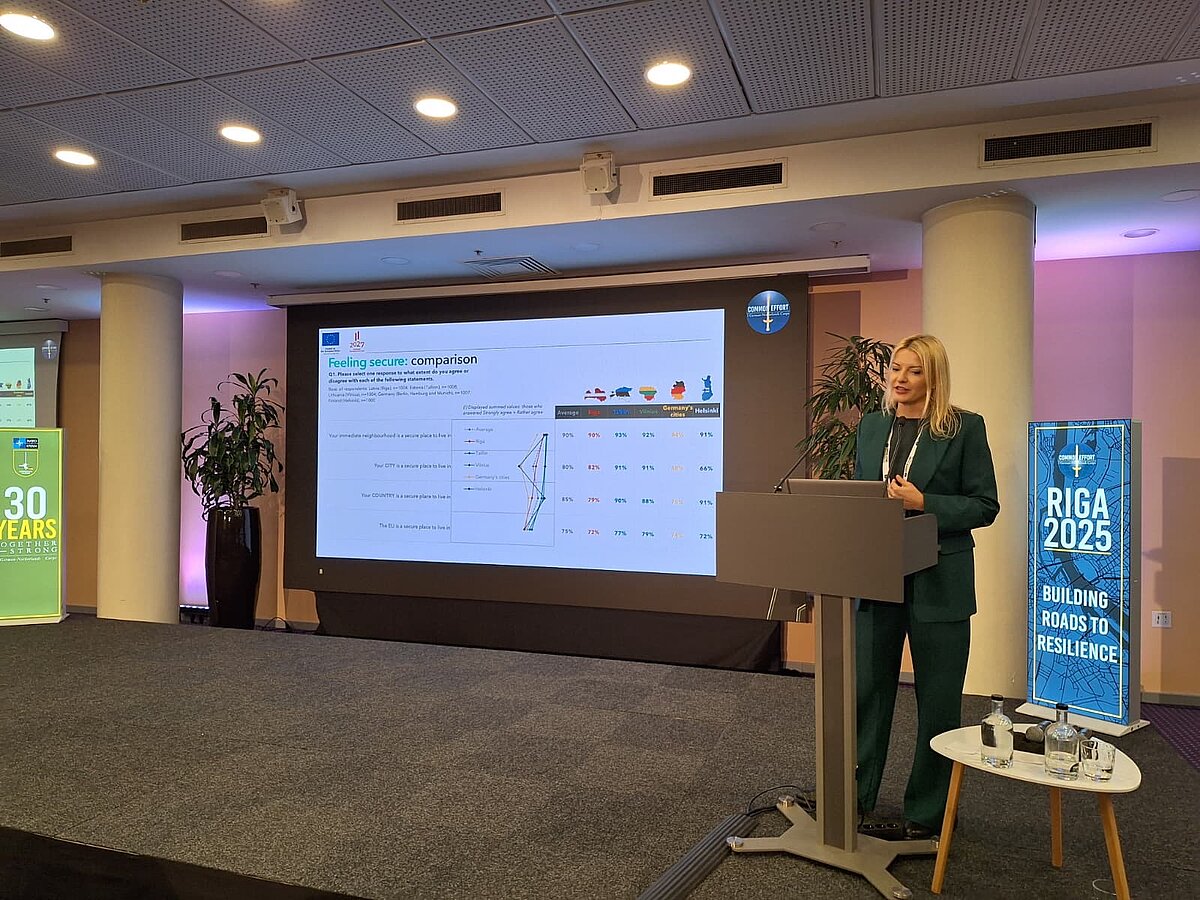
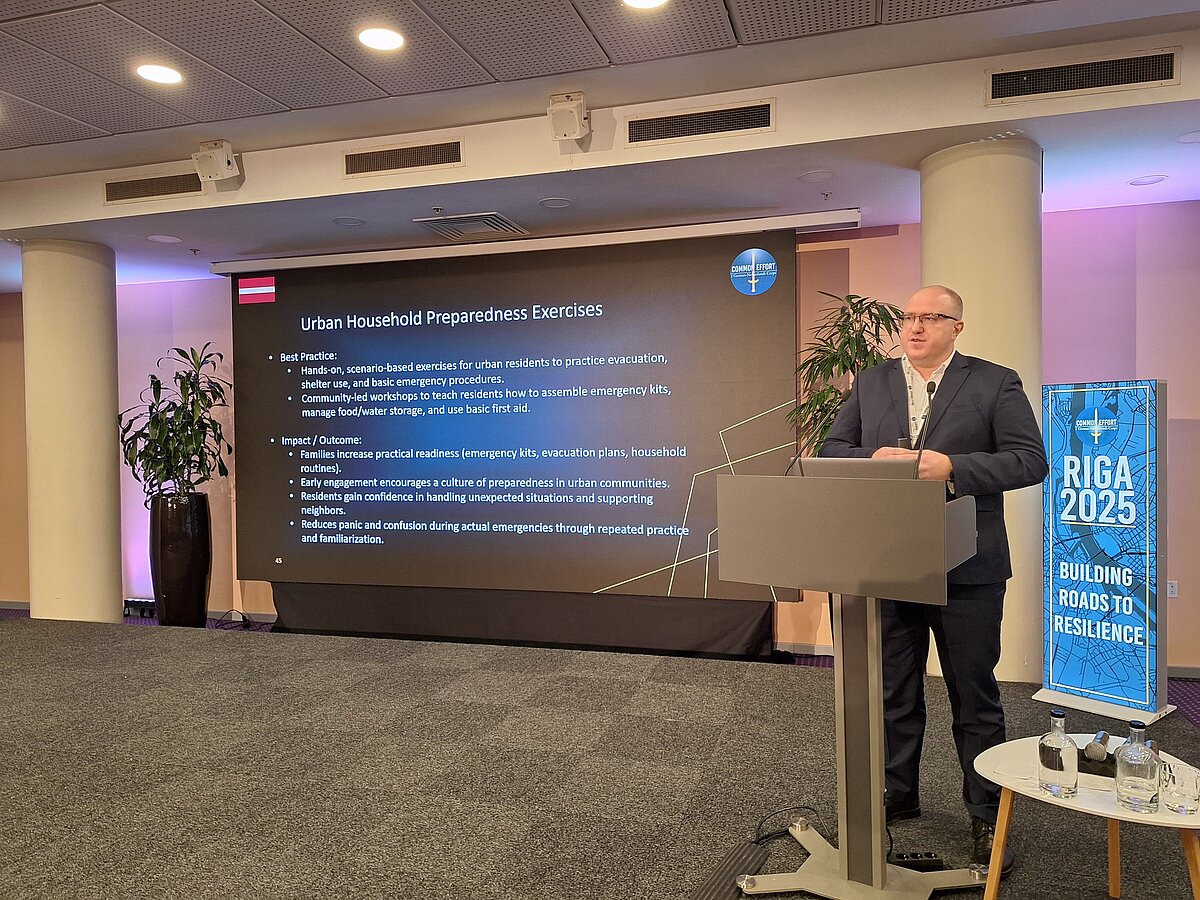
Birka and Kļaviņš took part in the working group “Civil Preparedness and Resilient Systems”, where they presented the results of their study “Urban Preparedness for Emerging Risks in the Baltic Sea Region”. Their presentation on individual threat perceptions and preparedness across the Baltic Sea region examined findings from large-scale surveys conducted in Finland, Estonia, Latvia, Lithuania, and Germany. The study analysed residents’ threat perceptions and their ability to ensure 72-hour self-sufficiency during crises—an essential component of civil resilience.
“Our research highlights the importance of individual awareness and preparedness within national readiness strategies. Understanding individual preparedness helps policymakers develop more effective resilience measures,” notes UL FESS senior researcher Ieva Birka.
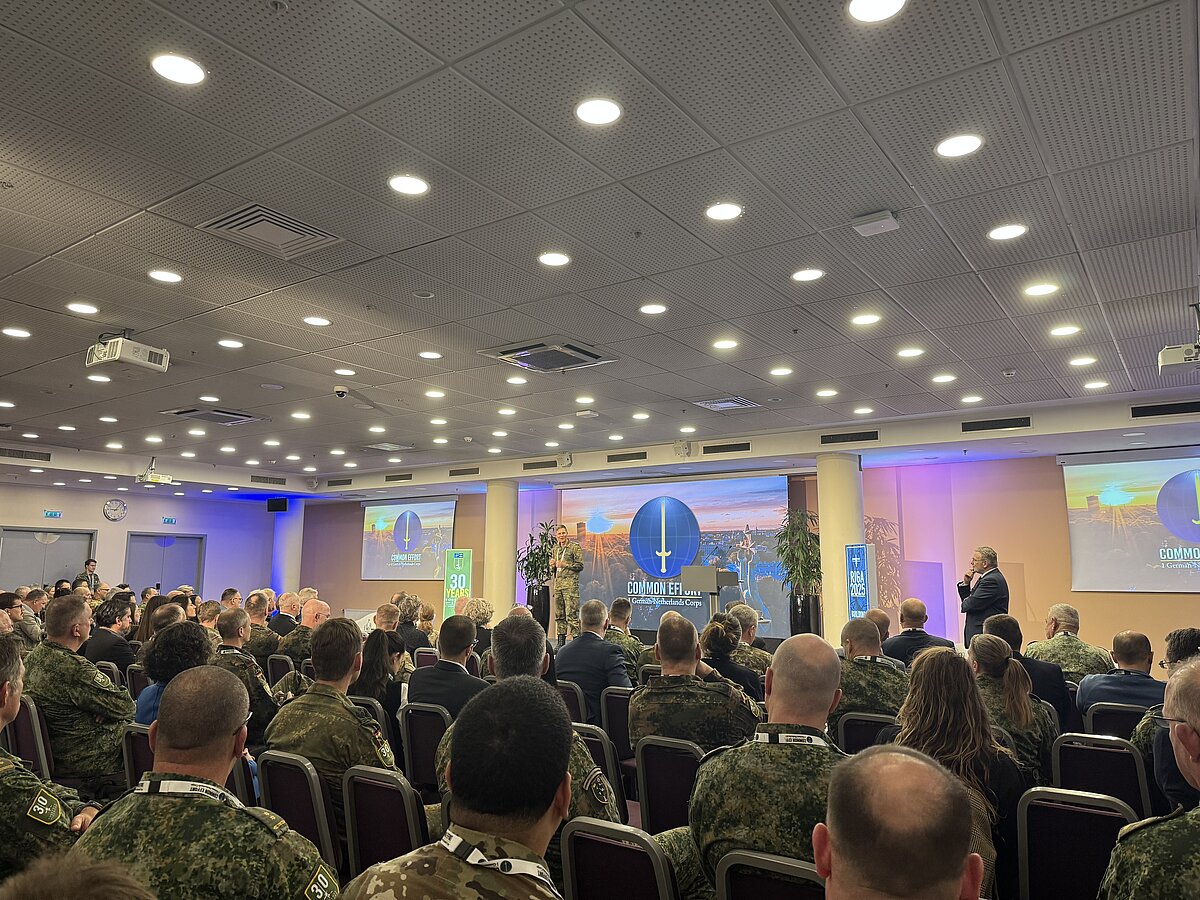
The conference, organised by the Germany–Netherlands Corps, focused on NATO’s seven baseline requirements for civil preparedness, including continuity of government, resilient energy, transport, food, water, and communication systems, as well as the capacity to manage mass-casualty care and uncontrolled population movements. The event featured scenario-based exercises and expert panel discussions to enhance civil–military cooperation.
UL’s participation demonstrates its capacity to contribute research that strengthens societal resilience and supports NATO’s strategic objectives in the Baltic Sea region.
The research project “Urban Preparedness for Emerging Risks in the Baltic Sea Region” (Grant No. LU-BA-PA-2024/1-0051) is one of the activities carried out within the Recovery and Resilience Facility-supported project “Internal and External Consolidation of the University of Latvia” (No. 5.2.1.1.i.0/2/24/I/CFLA/007).

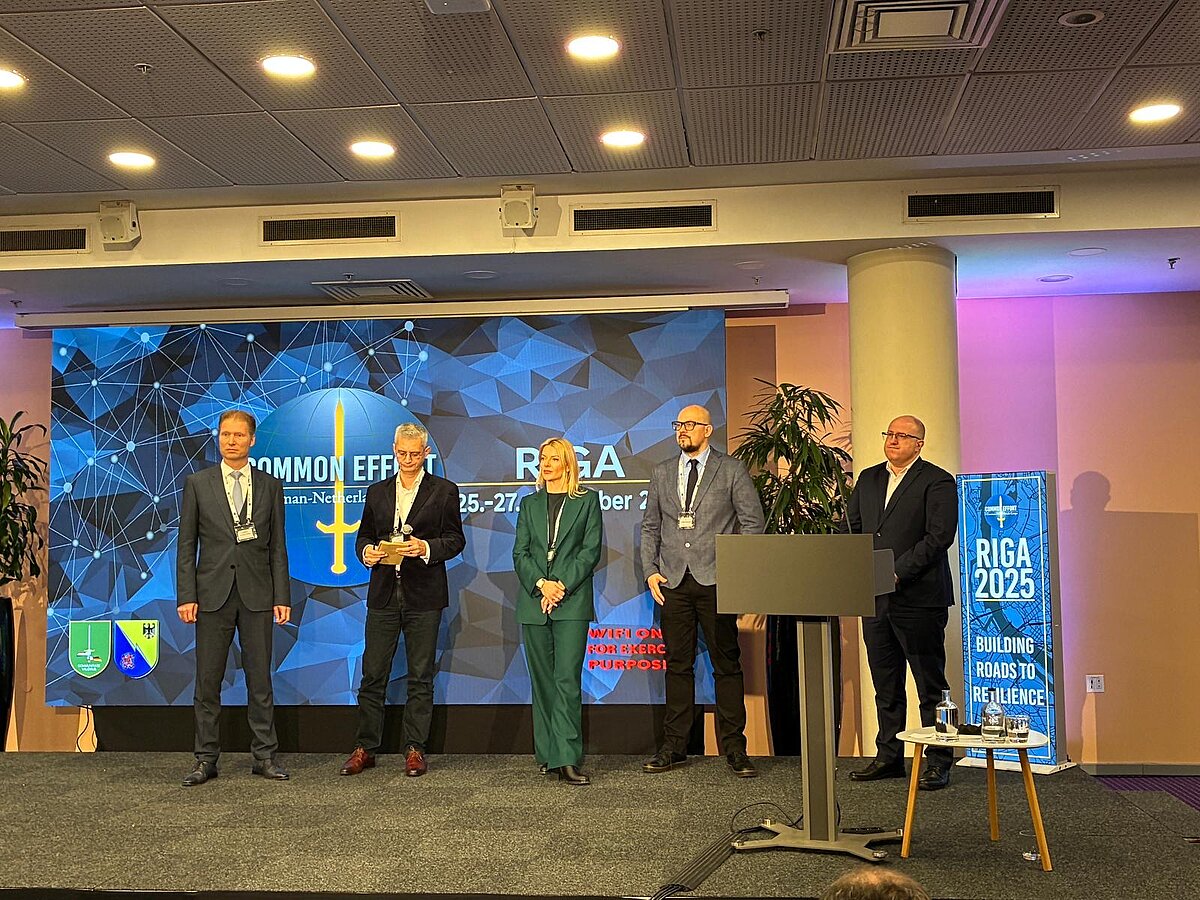
 Faculty of Economics and Social Sciences (FESS), Ieva Birka and Didzis Kļaviņš, participated in the NATO Germany–Netherlands Corps conference “Common Effort 2025: Roads to Resilience” to provide insights into urban residents’ preparedness for crisis situations. Under German and Dutch leadership, all NATO land forces units stationed in Latvia and Estonia will henceforth be coordinated.)